Tuesday, July 9, 2013

5 Common Myths about Vegetarians

Today I'm wondering or questioning what I really know about being a vegetarian. What are common misconceptions of being a vegetarian? My research showed me that vegetarians aren't necessarily healthier than people who eat meat if they don't follow their diet correctly. Vegetarians have found that you don't need meat to get your protein and that you can live off other foods without feeling like you don't fit into society.


If you are not a vegetarian, then these might be some common misconceptions you hold about vegetarianism, which prevent you from seeing vegetarianism in the correct light.
The first step to understanding anything in life, is to be properly informed about it, hence education is key for dispelling myths, alleviating fears and opening up ourselves to new ideas.
So sit back, relax and let us examine each of the following myths.

MYTH #1: All vegetarians are healthier than animal product consumers.

FALSE: There is actually nothing further from the truth as some people who choose to go vegetarian really misunderstand the idea of vegetarianism and adapt a very unhealthy lifestyle.
Some people who go vegetarian eat very unbalanced meals. This is due to one major error and that is seeing vegetarianism as eating only fruits and vegetables. So it is not uncommon to see the odd vegetarian living off of lettuce salads. Now it does not take a rocket scientist to figure out what is wrong with that.
These types of vegetarians are usually teens and younger people who do not quite fully understand the idea of vegetarianism and become deficient in various nutrients, usually go through dramatic weight loss and are accompanied by weakness, fatigue and possibly in serious cases become hospitalized.
Another group of unhealthy vegetarians are those who live off of processed vegetarian foods like veggie burgers, turkey tofu and the list goes on. In my opinion if you really need a meat alternate that bad then perhaps you should keep eating meat as this defeats the whole purpose of becoming healthier. Processed vegetarian foods are not only high in sodium, but also can contain artificial colors, preservatives and the like.

MYTH #2: All vegetarians are the same.

FALSE: Again , this point is highly misleading as today there are so many types of vegetarians out there. For starters you have to understand that the term “vegetarian” is just a regular label that shields out some animal products, but in no way correctly represents all vegetarians.
The following list is just some of the most popular types of vegetarians out there today:
  • Vegan: Eats no animal products whatsoever, even indirect ones like honey.
  • Lacto Vegetarian: Eats no animal products, except for dairy products.
  • Ovo Vegetarian: Eats no animal products, except for eggs.
  • Lacto-Ovo Vegetarian: Eats no animal products, except for eggs and dairy.
  • Pesco-Vegetarian: Eats no animal products, except for fish (can include eggs, dairy and in some cases chicken).
  • Flexitarian: Eats small amounts of animal products occasionally.
But again, even each of the above can have its own personal rules and variations.
Hence if you are thinking of becoming vegetarian, you have to realize that you can start wherever you want and with whatever that you are comfortable, because in the end labels don’t matter and the goal is simply to become healthier. Unless people are very motivated and educated about vegetarianism, they will usually start by cutting down on animal products and gradually embracing a more plant based rich lifestyle.

MYTH #3: It is really hard for a vegetarian to get the right type and amount of protein.

FALSE: This is probably the most common myth about vegetarians and is always followed by the age old question asked of vegetarians “so where do you get your protein from?”
The truth is that plant products and some especially, are packed with protein. The second major aspect of this that most people are unaware of is just how much protein does one exactly need?
Did you know that the average North American eats way too much protein? That is right – our society has become protein obsessed over the last few decades. If your regular meals consist of a couple of servings each day of meat and dairy than you are actually getting too much protein.
Now what are the health consequences of that? Well for starters, protein has to go through a deamination process in your liver. Hence too much protein in one’s diet can actually put stress on one’s liver and then kidneys that have to remove the high amounts of urea that protein by-products are changed into. Also, there is stress put on the digestive system to get rid of all that extra protein by trying to burn it as fuel for the body and may leave one regularly in states of fatigue and low energy. Finally, high protein diets also leach valuable minerals out of our tissues and leave us vulnerable to other conditions and diseases, like osteoporosis.
Even natural and vegetarian health experts like Dr. Andrew Weil and Dr. Joel Fuhrman, attest to just how little protein the average person needs for optimal health.
The truth is that your body makes roughly 12 out of the 20 amino acids that it needs on its own.  Although we need to get the other 8 from our diet, studies today show that the body can even synthesize those from parts of the other amino acids and other sources, especially through a varied diet.
Another myth was that one needed a complete protein with every meal and today we know that is not true either as the body can hold onto proteins from one meal to mix with proteins of another.
So while balanced meals are the key, vegetarians no longer have to stress that they are not getting enough or the right proteins in every single one of their meals.

MYTH #4: All vegetarians eat tofu and use it as their primary protein source.

FALSE: Having read myth #3 this one is already somewhat self-explanatory.
First of all not all vegetarians eat tofu and they definitely do not use it as their primary protein (animal product) replacement.
I personally did not eat tofu for at least the first 6 months of giving up most animal products. I used to get asked about tofu all the time, so finally I tried it. And? And personally I am not a huge fan of it. I have tried it done very well by authentic Oriental chefs but I have no motivation of making it a regular part of my own diet. One also has to be a little careful with soybean products, especially processed ones as they contain estrogen-mimicking substances which have been linked to increased breast cancer rates among other things. Some products contain more of these than others, so when it comes to soybean products, extreme moderation should be the key and of course proper education.
Secondly, the truth is that aside from fruits and veggies having some protein, there are numerous other plant foods that are excellent sources of protein (both complete and incomplete). Here is a list of the best plant protein sources:
  • Legumes (beans, lentils, etc. have very high amounts of protein)
  • Seeds & nuts (also contain significant sources of protein)
  • Grains (most whole grains are good sources of protein)
  • Soybeans & products like tofu, tempeh and miso
  • Salba seed
And of course this is only if you are a vegan, if you are any other type of vegetarian then you generally speaking don’t have to think twice about which foods will provide you with enough protein.

MYTH #5: It is hard for vegetarians to eat out or at non-vegetarian households.

FALSE: This myth I have to tell you I never understood myself, from the aspect of why people who are non-vegetarian make such a big deal if they invite you over for dinner and find out you are a vegetarian. I guess in some way it is about fear of the unknown.
They usually say things like “Oh my gosh, then what I am going to serve you/feed you?” Well my thoughts are always along the lines of: you are going to have vegetables at least on the table, no? I mean I do not know about you, but I have never gone to a restaurant or someone’s house where all they had was meat. But in all fairness to them, I also understand that our culture has become so meat obsessed that if you are not eating meat, then to some people, it is like you are not eating at all.
So, if you do have a vegetarian coming over for dinner, do not stress over it. There is always something there for them to eat. If you make meat, potatoes and veggies – then great, they will have the potatoes and veggies!
Now same thing goes if you are thinking of becoming a vegetarian. You do not have to worry that you are going to be locked into finding vegetarian restaurants only. While I agree most of them have a better choice and quality of food, there is always at least one veggie dish (and I am being very modest with this one) at any restaurant you go to.
Personally I shy away from all restaurants, not because I am vegetarian, but because nothing beats quality home cooking and no restaurant, unless perhaps a very elite one will prepare a meal for you that is made with high quality and truly healthy ingredients.
And if you do get stuck at that odd restaurant where nothing seems to your liking, simply tell your server that you are a vegetarian and ask what the chef can prepare for you. At higher end restaurants, they actually enjoy this as the chef gets to express a unique side of themselves by preparing something different for a change. Naturally, the local T.G.I.F restaurant, may not be as ecstatic.

Retrieve from:  http://www.evolvingwellness.com/essay/5-common-myths-about-vegetarians

Testimony Joshua Knox

I need a testimony or a story of a successful vegan or vegetarian. It should be a good story that will draw the attention of my readers and it will give us good reasons to change our diets.

This is a very good testimony of a vegan bodybuilding. I hope you like it.

5 Secrets for Cooking Vegetarian Food


If I were to begin a vegetarian diet what would I cook? and how? What recipes or tips could I use to make sure I was doing it correctly? I found out that the most important part is to make the meals well balanced. It is important to mix fiber and protein to keep me full and cook food correctly to get the most taste out of it.


Easy tips to make delicious and satisfying vegetarian recipes.

Every cook should know the tricks to making meatless meals that really satisfy. That way even when you’re cooking for a mixed crowd of vegetarians and meat lovers you can keep everyone happy. And for those carnivores at the table, you may be doing their health a favor: people who reduce meat in their diet consume less saturated fat and cholesterol, more dietary fiber and higher levels of folate, vitamins C and E, potassium and magnesium.
Here are our five secrets to cooking vegetarian recipes that everyone will love:

 
5 Secrets for Cooking Vegetarian Food


1. Build A Balanced Meal

Combining protein and fiber at meals will help you feel fuller longer. This noodle salad, for example, gets protein from edamame and fiber from carrots, seaweed and peppers.

Rice Noodle & Edamame Salad


2. Slow Roast

When you slow-roast food, you remove the amount of water it contains, thereby intensifying the flavor and making the texture chewier. (Think about the difference between a fresh tomato and a sun-dried tomato.) Cooked meat is about 55-65 percent water; while that sounds like a lot, compare it to veggies, which are 80-95 percent water. Roasting tomatoes for the lasagna sauce makes the sauce taste more deep and savory.

Lasagna with Slow-Roasted Tomato Sauce
 

3. Add Chewy Foods

Chewy foods like seared firm tofu, grilled mushrooms and nuts feel more filling because they take more time and effort to eat than, say, a spoonful of broth. They also better mimic the way you chew meat—which makes them a more satisfying substitution.

Three-Pea, Cashew & Tofu Stir-Fry
 

4. Include Umami Ingredients

The word umami, roughly translated as “delicious,” was coined by a Japanese scientist who discovered this fifth taste. He found that the glutamate in foods can be detected by humans, giving food an appeal that is neither sweet, salty, sour nor bitter (the other four tastes). Most people know glutamate from MSG (monosodium glutamate), the flavor enhancer associated with Chinese-restaurant food. But it is also a naturally occurring and safe compound found in meat—as well as many other foods. The process of fermentation enhances umami, which explains why soy sauce and aged cheeses like Parmesan are so “savory.” Vegetables high in umami include asparagus, tomatoes, seaweed, peas, corn and onions. Soyfoods, including tofu and edamame, and seaweed like dulse or arame are also good places to find umami. This stew layers on umami with corn, tofu and miso.

Tofu & Vegetable Stew
 

5. Combine Flavors and Textures


Excite your palate by mixing textures and flavors. For example, in the risotto, above, creamy rice is offset with chewy shiitake mushrooms and crisp asparagus. This burger balances the mushroom flavor against sweet onions and the punch of blue cheese. No single component is as satisfying as the combination.

Asparagus & Mushroom Risotto


Vegan Nutrition: What Does the Science Say?


I need to find some more information about vegans. What is the difference between vegans and vegetarians? Is there scientific evidence supporting or rejecting these types of nutrition? 
 
 
http://www.youtube.com/watch?v=bKa0kfN0LOY

Health Benefits of Vegetarian Diets

What are the benefits or becoming a vegetarian? Will I feel better physically? Will my body feel stronger and healthier? I found that vegetarians are at a lower risk of getting cancer or heart disease.


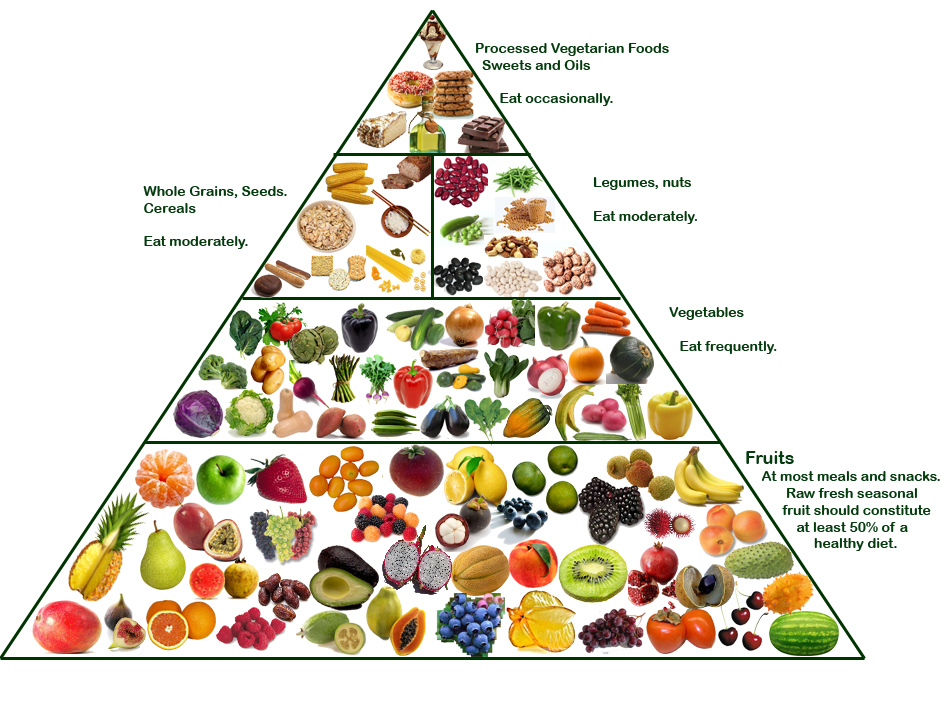
Vegetarian Food Pyramid


In the past, many viewed vegetarianism as strange and faddish but appropriately planned vegetarian diets are now recognized by many, including the American Dietetic Association, as being nutritionally adequate, and providing healthful benefits in the prevention and treatment of chronic diseases .
Choosing a nonvegetarian lifestyle has a significant health and medical cost. The total direct medical costs in the United States attributable to meat consumption were estimated to be $30-60 billion a year, based upon the higher prevalence of hypertension, heart disease, cancer, diabetes, gallstones, obesity and food-borne illness among omnivores compared with vegetarians.

A large body of scientific literature suggests that the consumption of a diet of whole grains, legumes, vegetables, nuts, and fruits, with the avoidance of meat and high-fat animal products, along with a regular exercise program is consistently associated with lower blood cholesterol levels, lower blood pressure, less obesity and consequently less heart disease, stroke, diabetes, cancer, and mortality . In African-Americans, the frequent consumption of nuts, fruits and green salads was associated with 35-44 percent lower risk of overall mortality.

Cancer Protection

A major report published by the World Cancer Research Fund in 1997 recommended we lower our risk of cancer by choosing predominantly plant-based diets rich in a variety of vegetables and fruits, legumes and minimally processed starchy staple foods, and to limit the intake of grilled, cured and smoked meats and fish. These methods of preparing meat produce polycyclic aromatic hydrocarbons and heterocyclic amines which are carcinogenic .
Over 200 studies have revealed that a regular consumption of fruits and vegetables provides significant protection against cancer at many sites. People who consume higher amounts of fruits and vegetables have about one-half the risk of cancer, especially the epithelial cancers . The risk of most cancers was 20-50% lower in those with a high versus a low consumption of whole grains.
About three dozen plant foods have been identified as possessing cancer-protective properties. These include cruciferous vegetables (broccoli, Brussels sprouts, cabbage, cauliflower), umbelliferous vegetables and herbs (carrots, celery, cilantro, caraway, dill, parsley), other fruits and vegetables (citrus, tomatoes, cucumber, grapes, cantaloupe, berries), beans (soybeans), whole grains (brown rice, oats, whole wheat), flaxseed, many nuts, and various seasoning herbs (garlic, scallions, onions, chives, ginger, turmeric, rosemary, thyme, oregano, sage, and basil).
These foods and herbs contain of host of cancer-protective phytochemicals such as carotenoids, flavonoids, isothiocyanates, isoflavones, ellagic acid, glucarates, curcurmins, liminoids, lignans, phenolic acids, phthalides, saponins, phytosterols, sulfide compounds, terpenoids, and tocotrienols. These beneficial compounds alter metabolic pathways and hormonal actions that are associated with the development of cancer, stimulate the immune system, and have antioxidant activity.


Heart Disease

Regular fruit and vegetable consumption reduces the risk of ischemic heart disease. A recent survey of 47,000 Italians found that persons in the highest tertile of vegetable consumption had a 21and 11% reduced risk of myocardial infarction and angina, respectively, compared with those in the lowest tertile of vegetable consumption .
A British study found that daily consumption of fresh fruit was associated with a 24 percent reduction in mortality from heart disease and a 32 percent reduction in death from cerebrovascular disease, compared with less frequent fruit consumption. Daily consumption of raw salad was associated with a 26 percent reduction in mortality from heart disease .
In another study, lifelong vegetarians had a 24 percent lower incidence and lifelong vegans (those who eat no eggs or dairy products) had a 57 percent lower incidence of coronary heart disease compared to meat eaters . Healthy volunteers who consumed a vegetarian diet (25% of calories as fat) that was rich in green, leafy vegetables and other low-calorie vegetables (tomatoes, cucumbers, carrots, bell peppers, celery, green beans, etc.), fruits, nuts, sweet corn and peas experienced after two weeks decreases of 25, 33, 20 and 21 percent in total cholesterol, LDL cholesterol, triglycerides, and total/HDL cholesterol ratio, respectively .
Various factors exist in fruits and vegetables that provide possible protection against cardiovascular disease. These factors include folic acid, dietary fiber, potassium, magnesium, carotenoids, phytosterols, flavonoids, and other polyphenolic antioxidants. Typically, vegetarian diets are also somewhat lower in saturated fat and cholesterol. Vegetarians typically have lower blood cholesterol levels. Plant diets rich in soluble fiber (such as found in dry beans, oats, carrots, squash, apples, and citrus) are useful for lowering serum cholesterol levels.
The many flavonoids in fruits, vegetables, nuts and whole grains, have extensive biological properties that reduce the risk of heart disease. Flavonoids are among the most potent antioxidants. They protect LDL cholesterol from oxidation; inhibit the formation of blood clots; and have hypolipidemic effects and anti-inflammatory action . European studies found that those who had the highest consumption of flavonoids had 60 percent less mortality from heart disease and 70 percent lower risk of stroke than the low flavonoid consumers.
The yellow-orange and red carotenoid pigments in fruits and vegetables are powerful antioxidants that can quench free radicals and protect against cholesterol oxidation. Persons with high levels of serum carotenoids have a reduced risk of heart disease. The recent EURAMIC study found that a high intake of lycopene (the red pigment in tomatoes, pink grapefruit, and watermelon) was associated in men with a 48 percent lower risk of a myocardial infarction compared with a low intake of lycopene . Cholesterol synthesis is suppressed and LDL receptor activity is augmented by the carotenoids beta-carotene and lycopene, similar to that seen with the drug fluvastatin.

The consumption of a generous supply of whole grains, legumes, nuts, fruits and vegetables provides protection against chronic diseases such as cancer, cardiovascular disease and diabetes. A plant-based diet is rich in its content of health-promoting factors such as the many phytochemicals.

What does a vegetarian diet consist of?

Today I was wondering what it would be like to be a vegetarian so I started searching for different vegetarian diets. I found out these diets are based out of grains, protein, vegies and fruits. to lrn about basics concepts abt


out a vegetarian diet, I found an interesting article in this web site http://healthyeating.sfgate.com/vegetarian-diet-consist-of-2568.html  that I want to share with you.
 
Vegetarian diets fall into three main categories based on the types of food eaten. A vegan does not eat meat, poultry, fish, eggs or dairy products. A lacto-vegetarian diet does not include meat, poultry, fish or eggs. However, lacto-vegetarians will eat dairy products, such as milk, cheese and yogurt. A lacto-ovo vegetarian diet only excludes meat, fish and poultry, while eggs and dairy products are allowed.


Vegetarian diets involve more than just fruits and veggies.


Grains


As a general rule, vegetarians should eat five to seven servings of grains every day, according to Loma Linda University School of Public Health. Because of their significant health benefit, whole grains should make up at least half of the daily serving. The “grains” food group includes bread, pasta, rice, wheat, oats and barley. Vegetarians might also benefit from whole grains that have been fortified with additional nutrients, such as iron, zinc and vitamin B-12, which are commonly found in meat and seafood sources. Iron and vitamin B-12 assist with red blood cell production, which protects against anemia, while zinc protects the body's cells and tissues from destruction and disease.

Proteins

Since vegetarians do not eat any type of meat, they must be sure to get enough protein from other types of foods. MayoClinic.com recommends vegetarians eat at least five daily servings of protein-rich foods, such as beans, legumes, nuts and soy. For lacto-vegetarians and lacto-ovo vegetarians, eggs and Greek yogurt are also an excellent source of protein. Vegetarians are often deficient in iron, which is absorbed more easily from meat sources. Iron can be consumed through dry beans, peas, lentils, fortified oatmeal, soybeans, spinach and tofu. Since vitamin C helps the body absorb iron, combine iron-rich foods with foods high in vitamin C, such as tomatoes, broccoli, strawberries and oranges.

Fruits and Vegetables

Fruits and vegetables tend to be the most common types of foods consumed by all vegetarians. These foods supply a generous amount of vitamins, minerals and fiber with every serving. Vegetarians should aim for at least six to eight servings of vegetables and three to four servings of fruit per day, according to Loma Linda University School of Public Health. For vegetarians who don’t eat dairy products, dark green leafy vegetables and broccoli are excellent sources of calcium.

Wednesday, July 3, 2013

7/3/2013

Becoming Vegetarian!!

Questions related to my topic: 
1. What do Vegetarians and Vegans eat?
2. How do I become Vegetarian?
3. What are the benefits of being vegetarian?
4. Advantages and disadvantages of being vegetarian?